
Gyeongju – Day 5 of a 14-Day Trip in South Korea
Gyeongju is known as the museum without walls. It has so much history (temples, museums, etc.) especially as it was once the capital of the ancient kingdom (57 BCE – 935 CE) of the Silla.
Day 5
Gyeongju
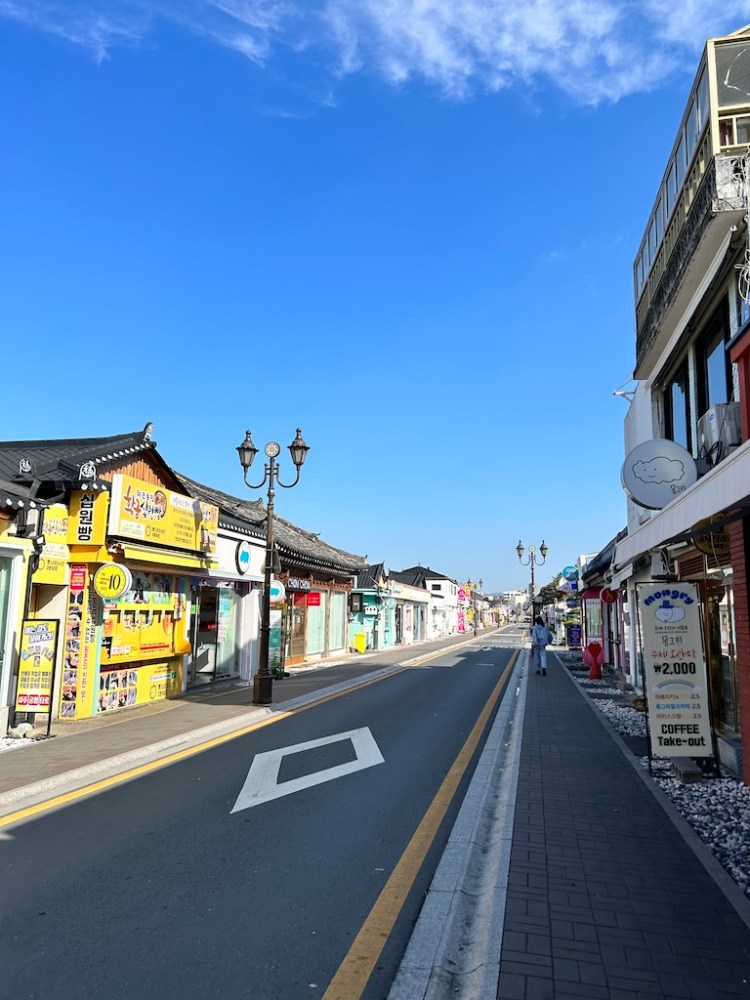
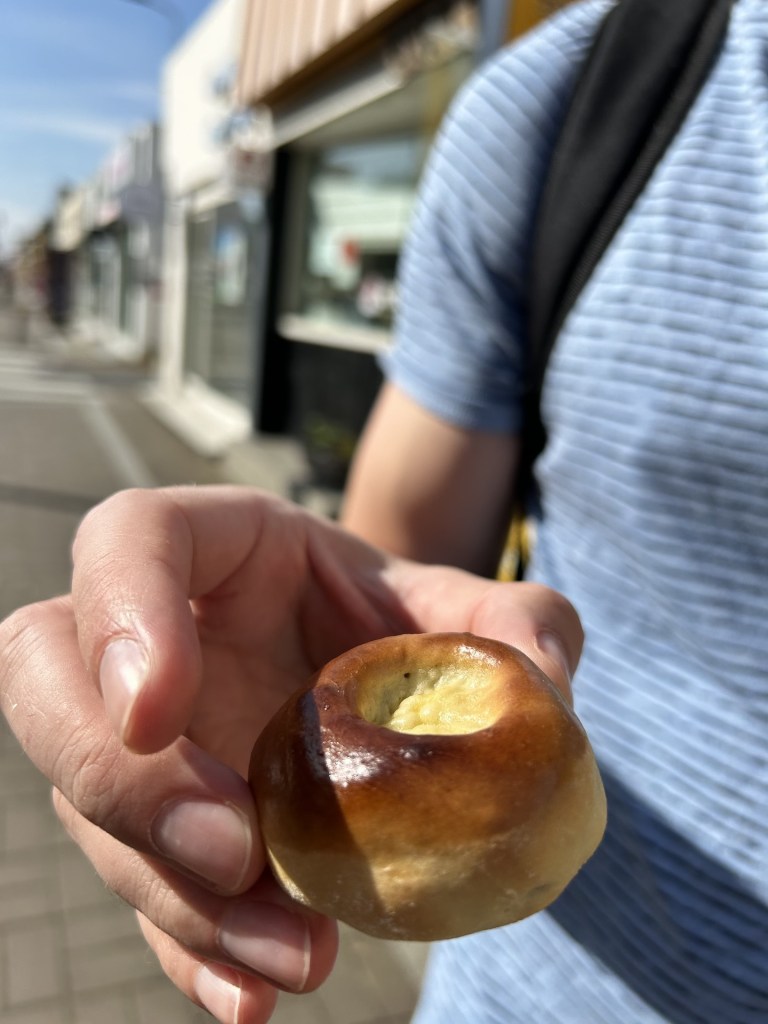
We started off our day with onigiri and kimbap from the 7/11 (as usual). It was early, so the streets were very quiet, unlike in the evenings. We also stopped at the Choi Young Hwa Bakery which has been baking Gyeongju Bread – a small pastry filled with red bean paste – since 1937.
After breakfast, we caught Bus 11 to Bulguksa Temple from a stop just outside the central area. There is also a Bus 10 that goes to Bulguksa Temple, but it takes a different route and has different stops. Bus 11 runs about every 20 minutes. We were initially very confused as the bus did not appear on the list of buses at the bus stop. Luckily there was a kind Korean woman who assured us that Bus 11 did indeed stop there. We got off the bus at Bulguksa Temple, but immediately got on the Gyeongju Bus 12 to Seokguram Grotto. Seokguram Grotto is part of the Bulguksa Temple complex and is home to a large Buddha stone carving. The Gyeongju Bus 12 runs back and forth between Bulguksa and Seokguram Grotto, taking about 25 minutes one-way. You can also hike to Seokguram Grotto, but it is all up hill. The bus ride up the mountain is also very windy. The grotto itself is about a 15 minute walk through the forest from the bus stop and is relatively flat. No photos are allowed within the grotto as it is an area of prayer.
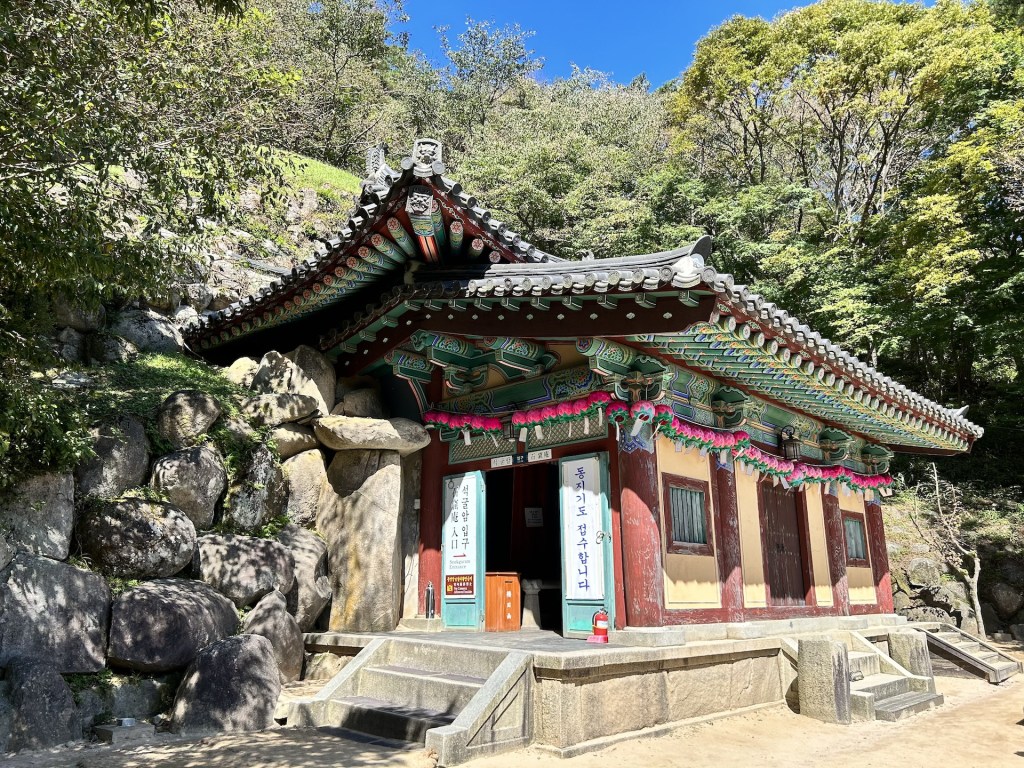
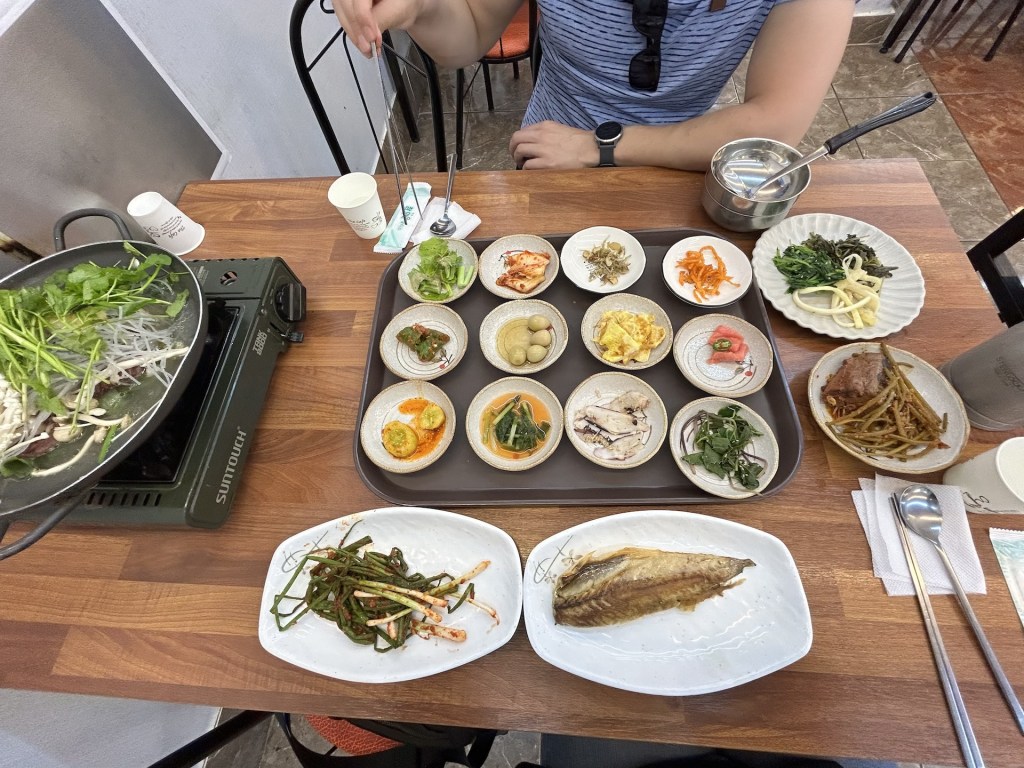
There is a route at the forest entrance which leads back down to the Bulguksa Temple, but the pathway was closed for repairs at the time of our visit. So we waited about 30 minutes for the bus instead. It was lunch time when we arrived back at the Bulguksa Temple stop. We picked a restaurant called 전주 시골밥상 and ordered the Set B Countryside meal. It came with so much food – banchan/side dishes, fish, cod roe (so yummy), beef and mushroom soup, and purple rice.
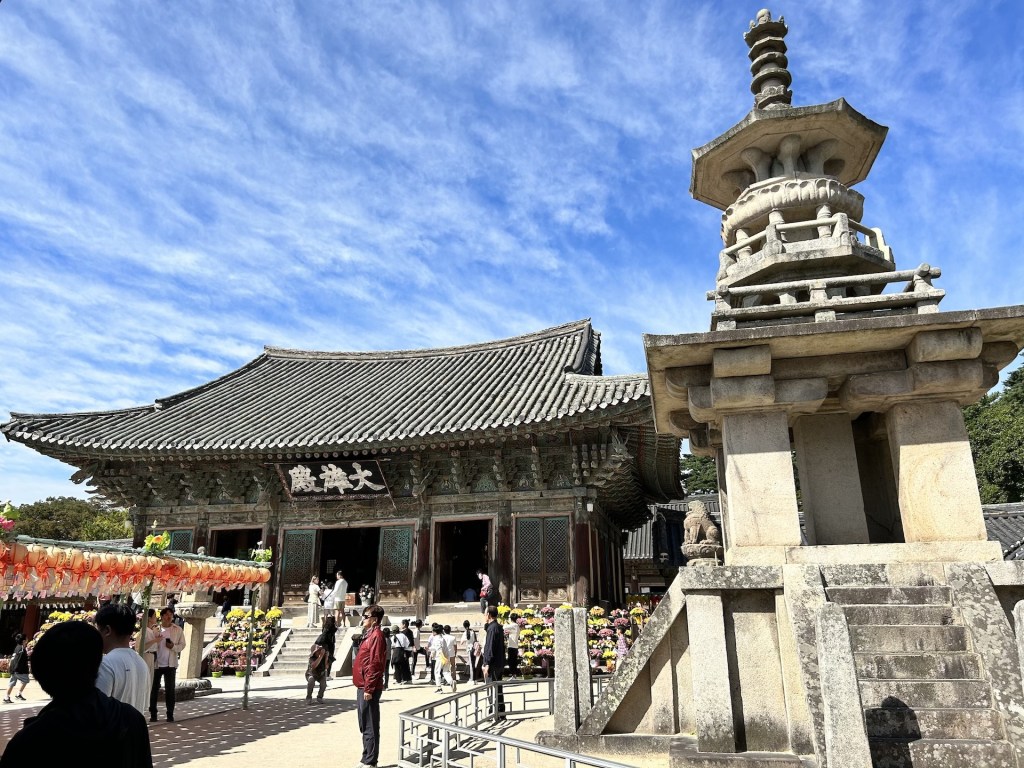
After lunch, we visited the Bulguksa Temple. Bulguksa Temple is a Buddhist Temple with history dating back to 528. Parts of the temple were burned down during the Imjin War (when Japan invaded Korea). Over the years, Bulguksa has grown and gone through multiple renovations.
Next we visited the Gyeongju National Museum, which was approximately a 30 minute bus ride from Bulguksa Temple. The museum is free and has multiple buildings to visit! This is a great museum to learn about the Silla history and the burial grounds in Gyeongju.
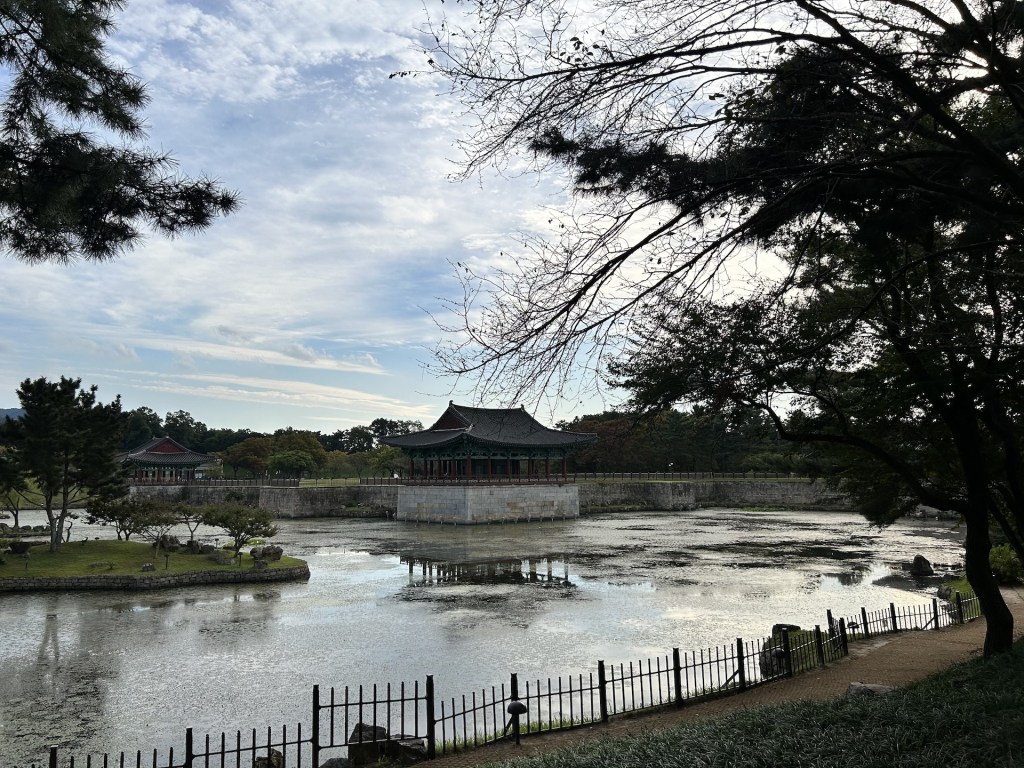
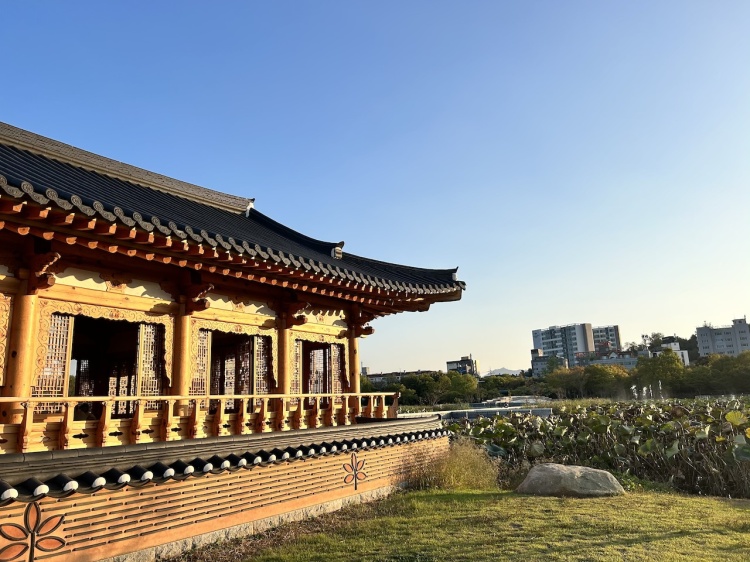
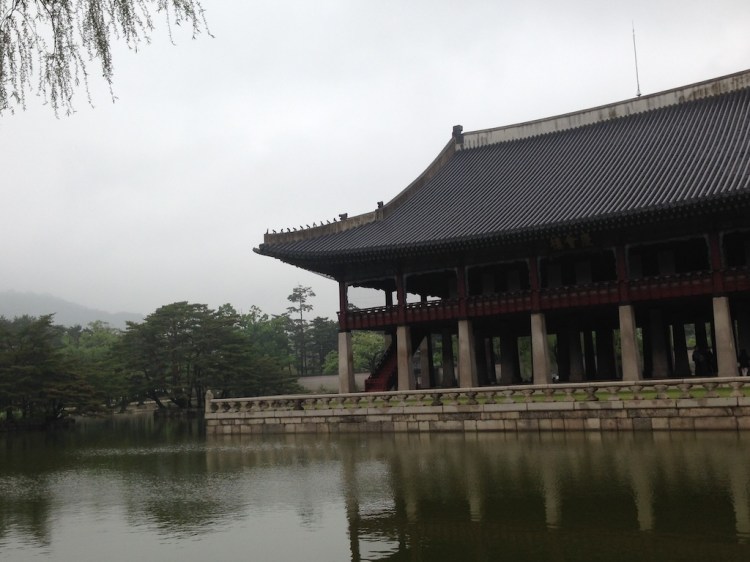
Near the museum is Donggung Palace and Wolji Pond (~15 minute walk), which has an admission fee of 3000won/person. The Palace was part of the palace complex of the Silla and was constructed in 674 CE. The gardens are well kept and it was fun to watch the caretakers use bamboo to sweep away the spiderwebs on the pavilion rooftops.
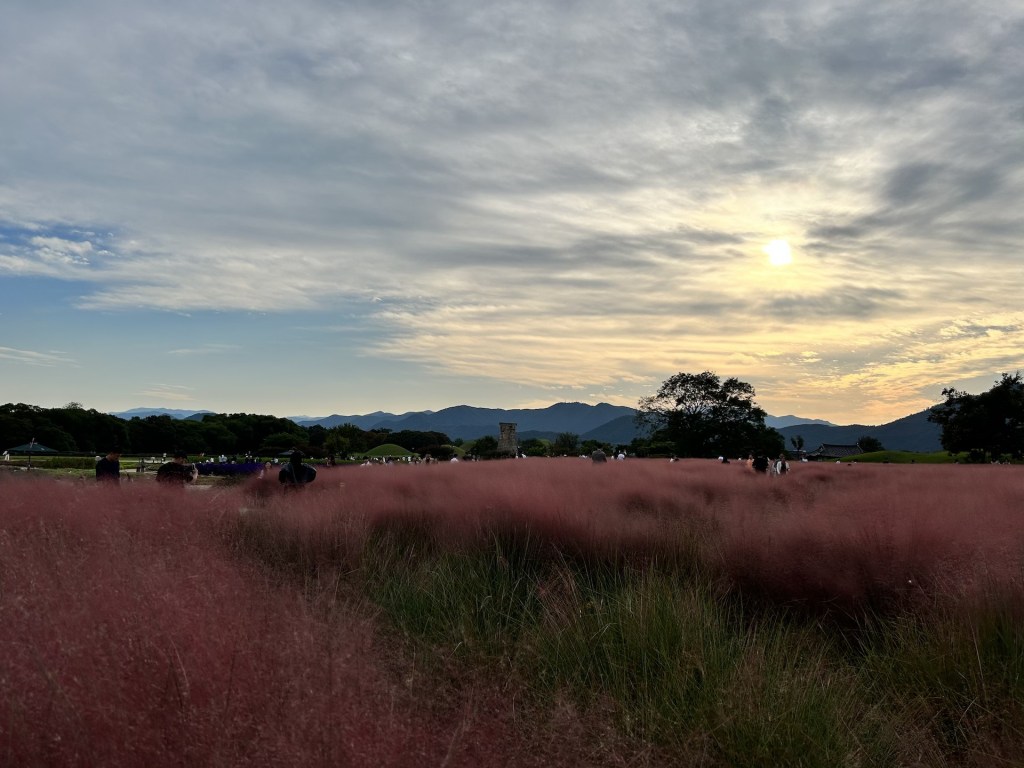
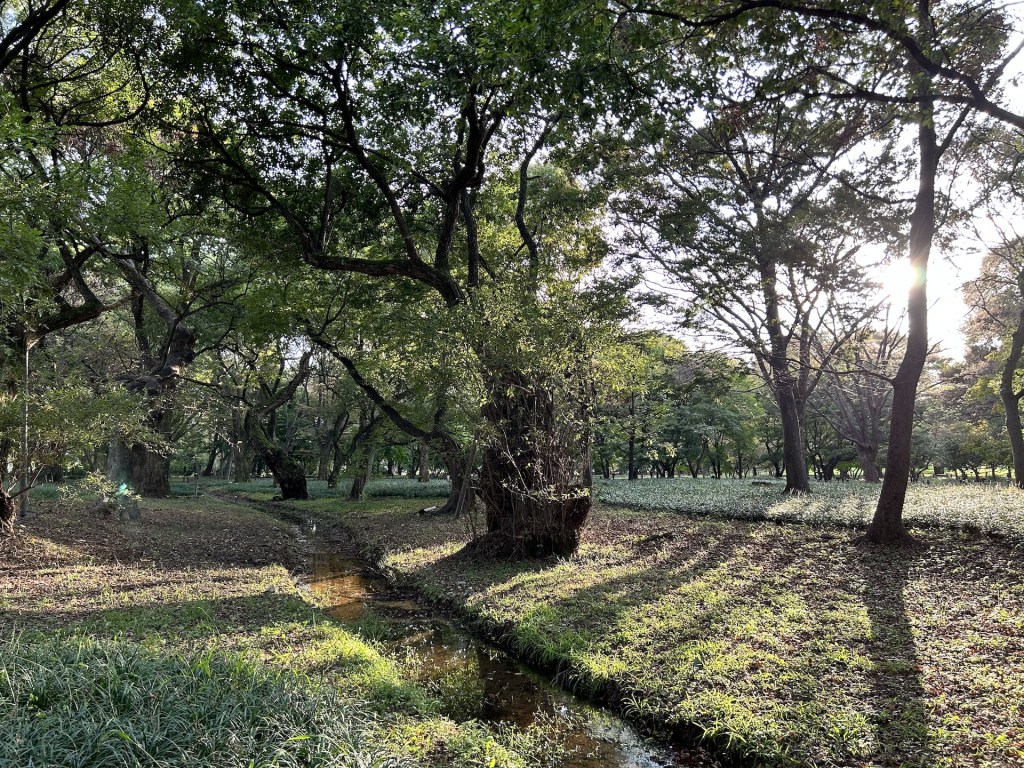
We then started our walk back to the central area of Gyeongju, making multiple stops on the way. First was to Cheomseongdae, the oldest surviving astronomical observatory in Asia. Today it is just a remnant of what once was. The surrounding park is beautiful – the tall pink grass-like plants and mountains make a lovely backdrop. We continued our walk to Gyerim Forest then to Gyeongju Hyanggyo, a Confucian school from the Joseon period. It still offers classes to this day.
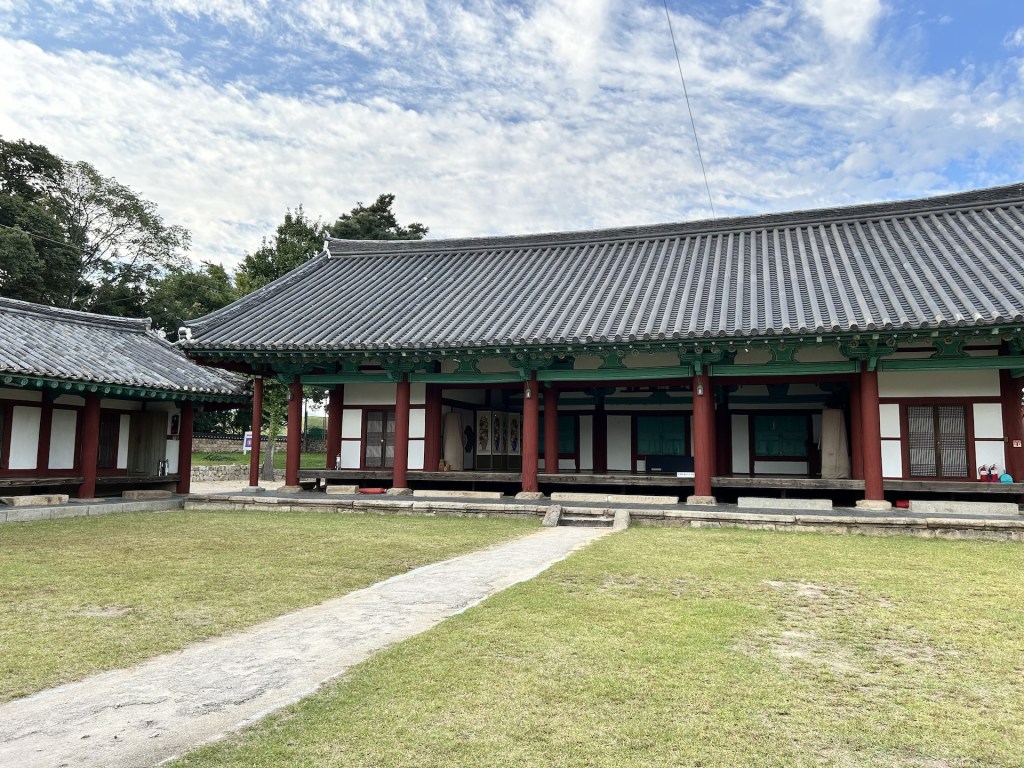
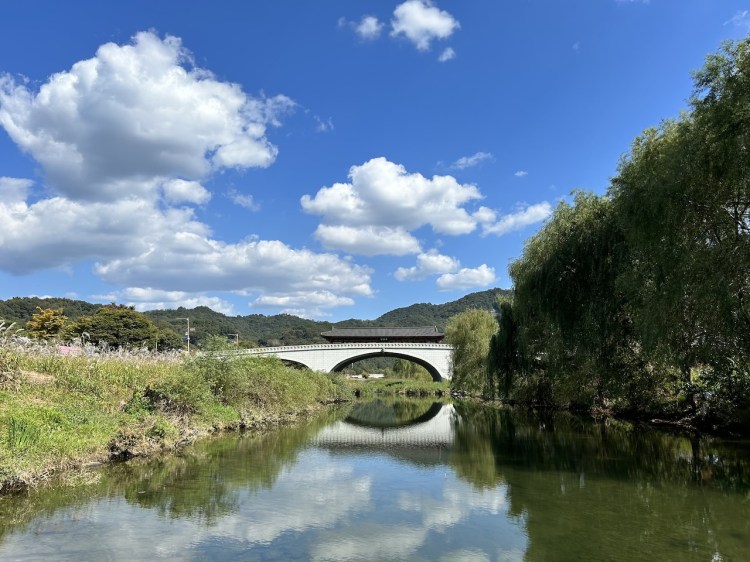
We walked over to the Woljeonggyo Bridge. It was originally built during the Silla Period, but was burned down during the Joseon dynasty (1392-1897). It was rebuilt in 2018 based on historical documents and is the largest wooden bridge in Korea.


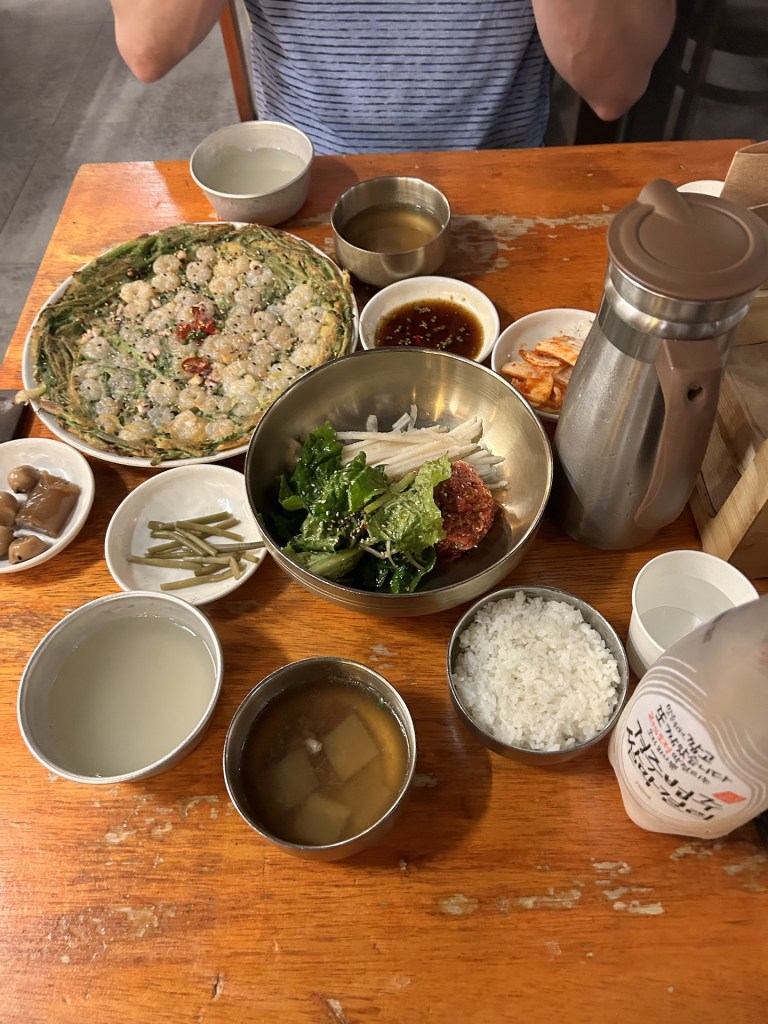
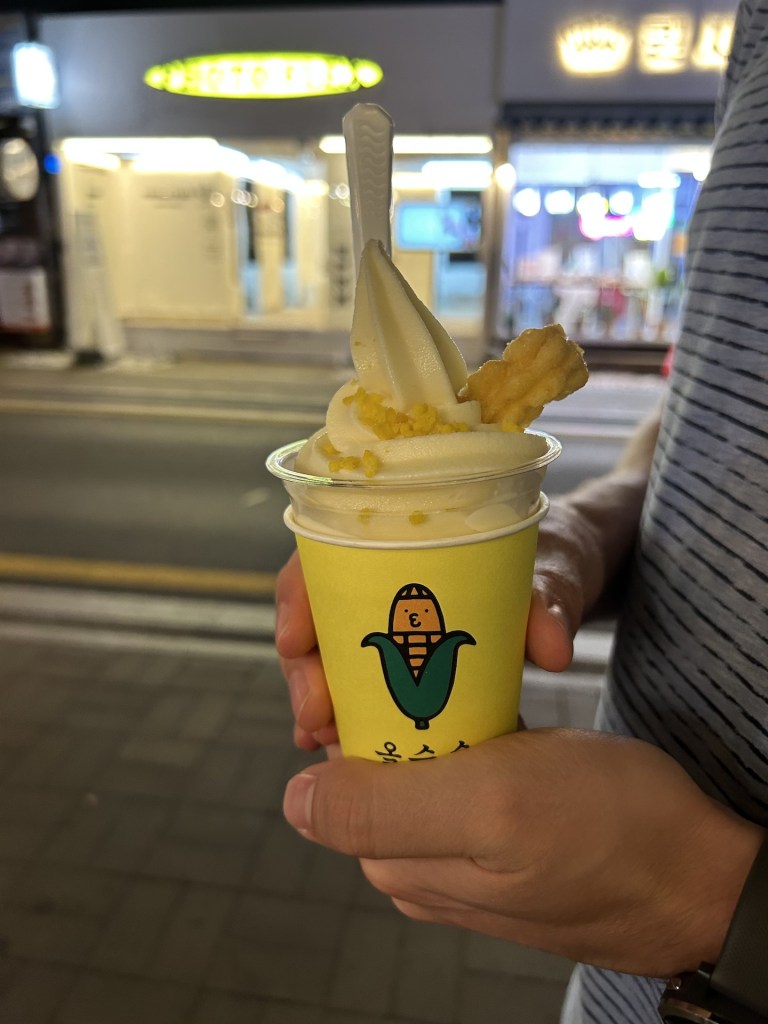
We walked through the Gyochon Traditional Village back to the Hanok hotel, where we had a brief rest before heading out to dinner. For dinner, we picked Hyanghwajeong, a Korean pancake (jeon) restaurant. We ordered the jeon with shrimp, yukhoe (raw beef) bibimbap, and makgeoilli (rice wine). The yukhoe bibimbap was amazing – it was a perfect blend of raw beef, rice, and veggies (the star of the plate was the sliced pear). After dinner, we walked around the neighbourhood and stopped for corn ice cream on Hwangnidan-Gil (the main street in this area). Corn ice cream is my new favourite thing! We rushed home afterwards however because I was so cold after eating ice cream (it was October, so not exactly warm). But worth it because corn ice cream is the best!
Complete Day 5 Itinerary
*Travel times may vary. Check Kakao or Naver Maps for most accurate travel details.
8:00am: Breakfast at the Convenience Store.
9:00am: Visit Seokguram Grotto (1 hour and 33 minute bus from Gyeongju Historical Area).
12:00pm: Have lunch at 전주 시골밥상 (30 minute bus from Seokguram Grotto, then 10 minute walk).
1:00pm: Visit Bulguksa Temple (15 minute walk from 전주 시골밥상).
2:00pm: Visit Gyeongju National Museum (30 minute bus from Bulguksa Temple).
3:00pm: Visit Donggung Palace and Wolji Pond (15 minute walk from Gyeongju National Museum).
4:00pm: Visit Cheomseongdae (15 minute walk from Donggung Palace), Gyerim Forest (6 minute walk from Cheomseongdae), Gyeongju Hyanggyo (7 minute walk from Gyerim Forest), and Woljeonggyo Bridge (6 minute walk frm Gyeongju Hyanggyo).
6:00pm: Have dinner at Hyanghwajeong (18 minute walk from Woljeonggyo Bridge).
7:00pm: Have corn ice cream at the stall on Hwangnidan-Gil (5 minute walk from Hyanghwajeong).
14-Day South Korea Itinerary
Click “Download” below for an excel version of my 14-Day South Korea Itinerary. Feel free to use the excel file as a planning template for your own trip!

 Travels with Carolyne